Key Highlights
- Record 12.7 million energy futures and options contracts traded on ICE.
- Diesel futures surged nearly 12%, outperforming crude and gasoline.
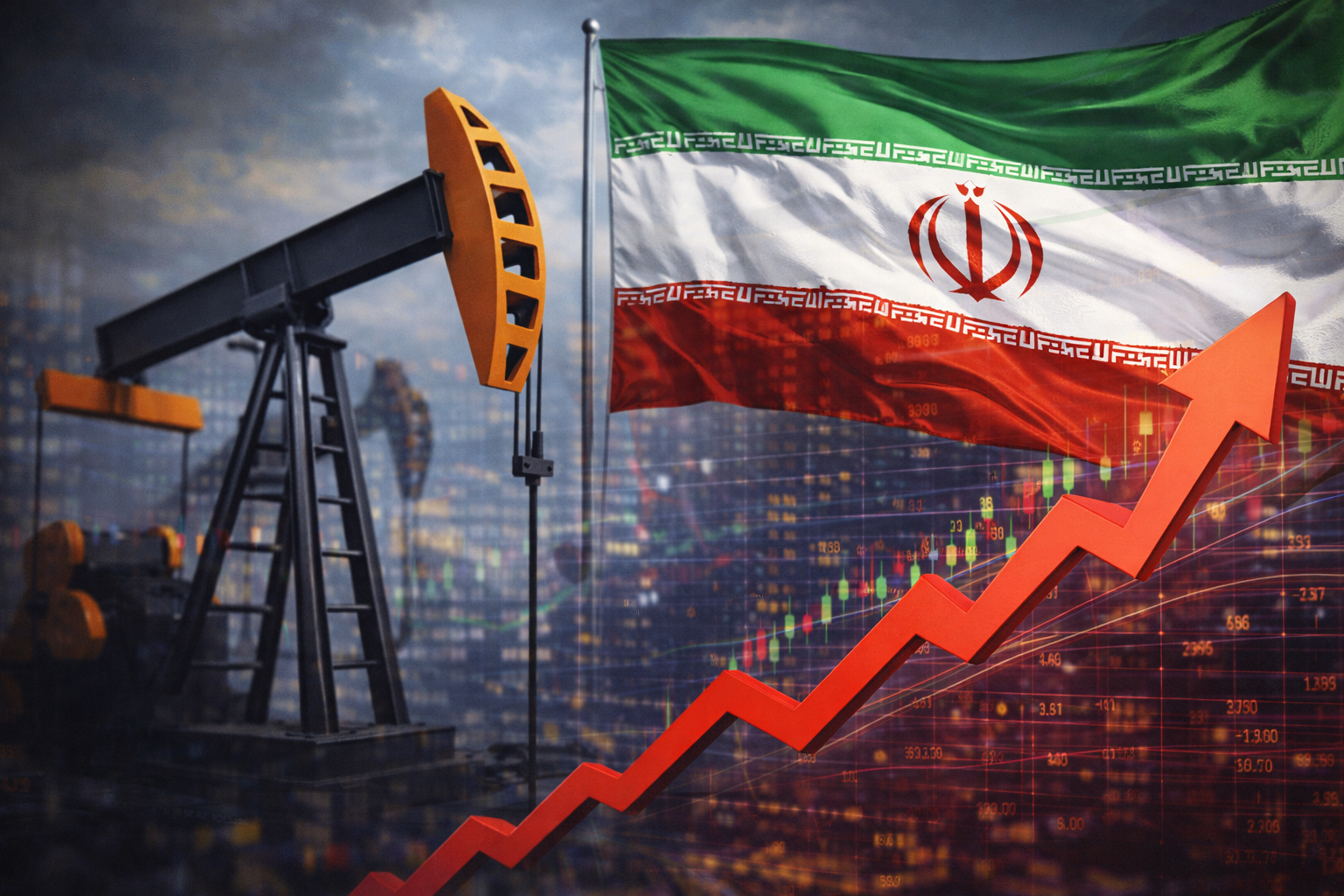
- Oil prices jumped after U.S. and Israeli strikes on Iran and Tehran’s retaliation.
- U.S. producers rushed to lock in high prices through hedging strategies.
- Brent and WTI crude surged amid concerns over the Strait of Hormuz supply route.
Oil Markets Surge Amid Middle East Escalation
The spike followed military strikes by Israel and the United States on Iran and Tehran’s subsequent retaliation, fueling concerns about global oil supply disruptions. Markets responded immediately, sending crude prices sharply higher and triggering record trading activity in energy derivatives.
Investors traded a record 12.7 million energy futures and options contracts on the Intercontinental Exchange (ICE) on Monday, marking the highest single-day trading volume ever recorded for the exchange’s energy products.
Crude futures climbed to multi-month highs during the session as traders sought to capitalize on volatility and protect themselves from further price swings.
Diesel Leads Energy Market Gains
Among refined products, U.S. diesel futures surged nearly 12%, outperforming both crude and gasoline contracts, which rose more than 6% and nearly 4%, respectively.
Diesel prices have proven particularly sensitive to escalating tensions in the Middle East. The region remains a key supplier of refined fuels, and inventories have been strained following a harsh winter that increased demand for heating and power generation.
The global benchmark for refined oil products — ICE Low Sulphur Gasoil — also recorded a historic trading session, with 1.3 million futures and options contracts changing hands, surpassing the previous record set during earlier Israel-Iran air strikes in June 2025.
U.S. Producers Rush to Hedge Production
While investors rushed to capture short-term price movements, U.S. oil producers moved quickly to lock in elevated prices and protect future production revenues.
At the opening of markets, producers coordinated with banks and trading firms to execute hedging transactions, anticipating further volatility linked to the Middle East conflict.
Matt Marshall, president of hedging firm Aegis Hedging, said many companies were prepared even before markets officially opened.
“We had a queue of oil producers and dealers ready to trade as soon as the market opened,” Marshall said. “Everyone was ready and watching for the price spike.”
Aegis Hedging estimates it handles risk management for 25–30% of U.S. oil production, highlighting the scale of hedging activity triggered by the price surge.
Strategic Importance of the Strait of Hormuz
Much of the market’s anxiety centers on the Strait of Hormuz, one of the world’s most critical energy chokepoints.
Roughly 20% of global oil supplies pass through the narrow shipping lane, making it a focal point for traders assessing the potential impact of geopolitical escalation.
West Texas Intermediate (WTI) crude futures jumped 8% at market open, while Brent crude surged 11%, reflecting fears that disruptions to shipping routes could tighten global supply.
Analysts noted that some traders had predicted prices could spike above $90 or even $100 per barrel, although Brent initially opened around $81.60 and WTI near $75.
Hedging Becomes Key Strategy in Volatile Markets
In volatile markets, hedging plays a critical role for both investors and producers.
Traders can profit from price swings through futures and options, while producers use derivatives such as swaps to lock in fixed prices and protect against future market declines.
Many producers opted for swaps this week, converting the sudden surge in oil prices into fixed long-term contracts tied to futures benchmarks.
According to industry analysts, hedging activity may continue if geopolitical tensions persist.
“If there’s further news suggesting the Strait of Hormuz could remain disrupted, producers will likely look for additional opportunities to hedge,” Marshall said.
Outlook: Volatility Likely to Persist
The recent surge in trading volumes highlights how geopolitical shocks can quickly ripple through global energy markets.
With the United States producing 13.73 million barrels of crude oil per day, domestic producers remain heavily exposed to international market swings.
If tensions in the Middle East continue to escalate, oil markets could remain volatile, with both investors and energy companies increasingly relying on derivatives to navigate uncertain price dynamics.
For now, the scramble to hedge reflects a market racing to secure profits before the next geopolitical shock reshapes the energy landscape once again.