Introduction
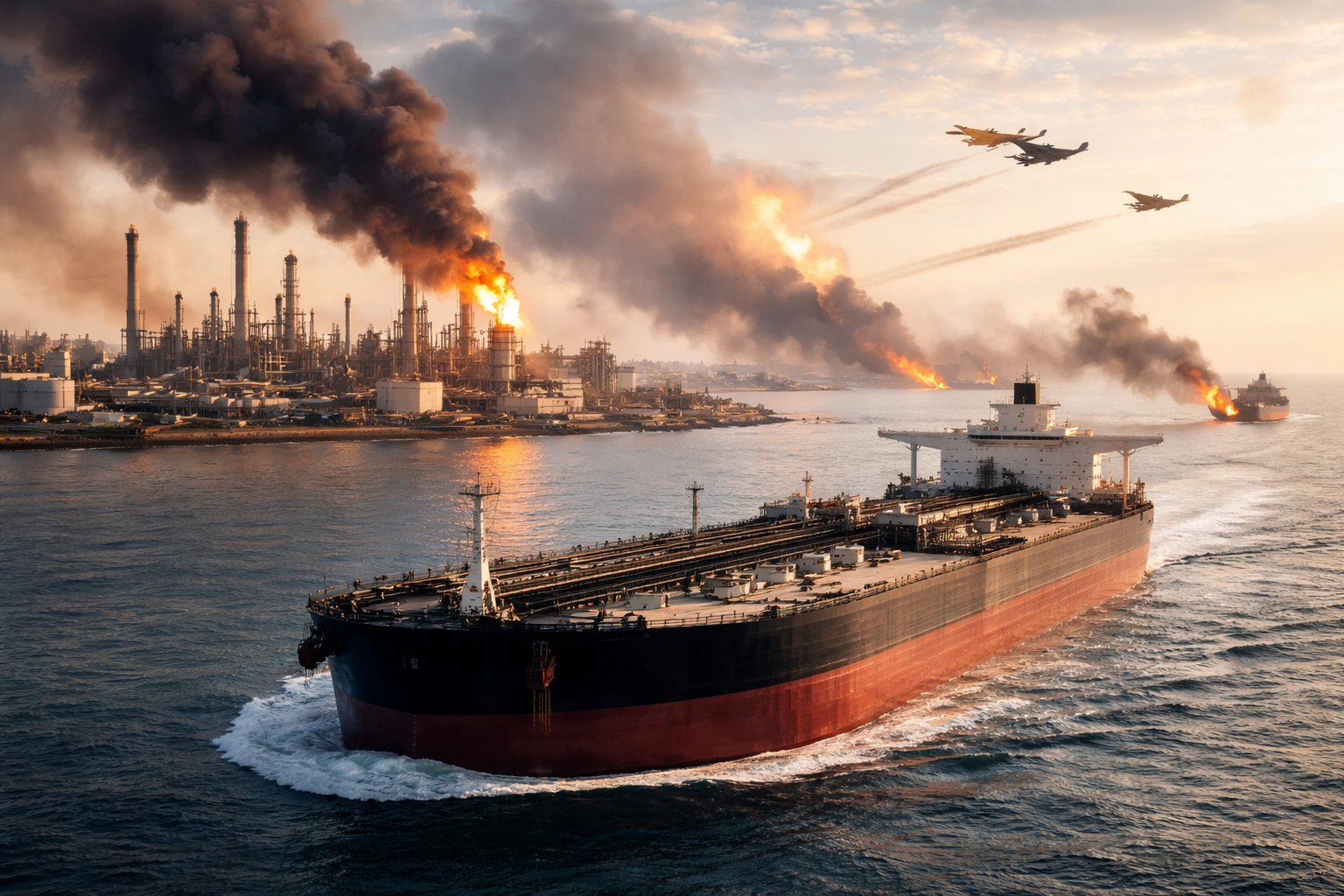
A short but intense conflict tied to Iran has triggered one of the largest energy disruptions in modern history. In just under two months, global oil markets have lost massive volumes of crude, shaking supply chains and sending economic shockwaves across industries. The scale of disruption goes far beyond regional instability, affecting transportation, trade, and national economies worldwide.
A Historic Collapse in Oil Supply
The conflict has removed more than 500 million barrels of crude and condensate from the market. This sudden drop equals several days of total global oil consumption, underscoring the magnitude of the disruption.
Producers across the Gulf region have faced severe output constraints. At the height of the crisis, daily production losses reached millions of barrels, cutting deeply into global supply and tightening already sensitive markets.
This sharp decline has placed enormous pressure on inventories, which have already started to fall at a rapid pace.
Economic Impact: $50 Billion in Lost Revenue
With oil prices hovering around $100 per barrel, the missing supply has translated into an estimated $50 billion in lost revenue. This figure highlights not only the scale of the disruption but also its broader economic implications.
The financial impact rivals the annual economic output of smaller nations and represents a measurable dent in larger economies. Energy-dependent sectors, from manufacturing to logistics, now face rising costs and increased uncertainty.
Aviation and Trade Take a Direct Hit
The crisis has also hit refined fuel markets, especially jet fuel. Gulf countries, which play a crucial role in supplying aviation fuel, have seen exports fall dramatically.
This decline has reduced the capacity for thousands of long-haul flights, placing additional strain on global travel and cargo networks. Airlines and shipping companies now deal with tighter fuel availability and higher operational costs.
Strain on Infrastructure and Supply Chains
Beyond production losses, the conflict has disrupted critical energy infrastructure. Damage to key facilities and processing hubs has slowed the movement of oil and gas across the region.
Some oil fields, particularly those producing heavier crude, require months to stabilize. Repairs to refining and liquefied natural gas facilities could take even longer, delaying a full recovery of supply chains.
Why Recovery Will Take Time
Even with easing tensions, restoring normal operations will not happen overnight. Oil production systems depend on complex networks that require careful calibration after disruptions.
Inventory drawdowns continue, and producers must rebuild capacity step by step. Analysts expect recovery timelines to stretch from several months to multiple years, depending on the extent of infrastructure damage.
Long-Term Consequences for Global Energy Markets
This crisis has exposed the vulnerability of global energy systems to geopolitical shocks. Heavy reliance on key transit routes and concentrated production regions leaves markets highly sensitive to conflict.
Countries and companies may now accelerate efforts to diversify energy sources, strengthen reserves, and invest in alternative fuels to reduce future risks.
Conclusion
The 50-day disruption tied to the Iran conflict has reshaped the global energy landscape. Massive production losses, soaring costs, and fragile supply chains reveal how quickly instability can ripple across the world.
While short-term relief may come from easing tensions, the long-term effects will continue to influence oil markets, economic planning, and energy policy for years to come.