Key Highlights
- Sigma Healthcare ended discussions to acquire Boots.
- The possible deal had been widely valued at around $10 billion.
- Sigma said Boots no longer matched its strategic priorities or capital allocation plans.
- The decision leaves Boots in ownership limbo again.
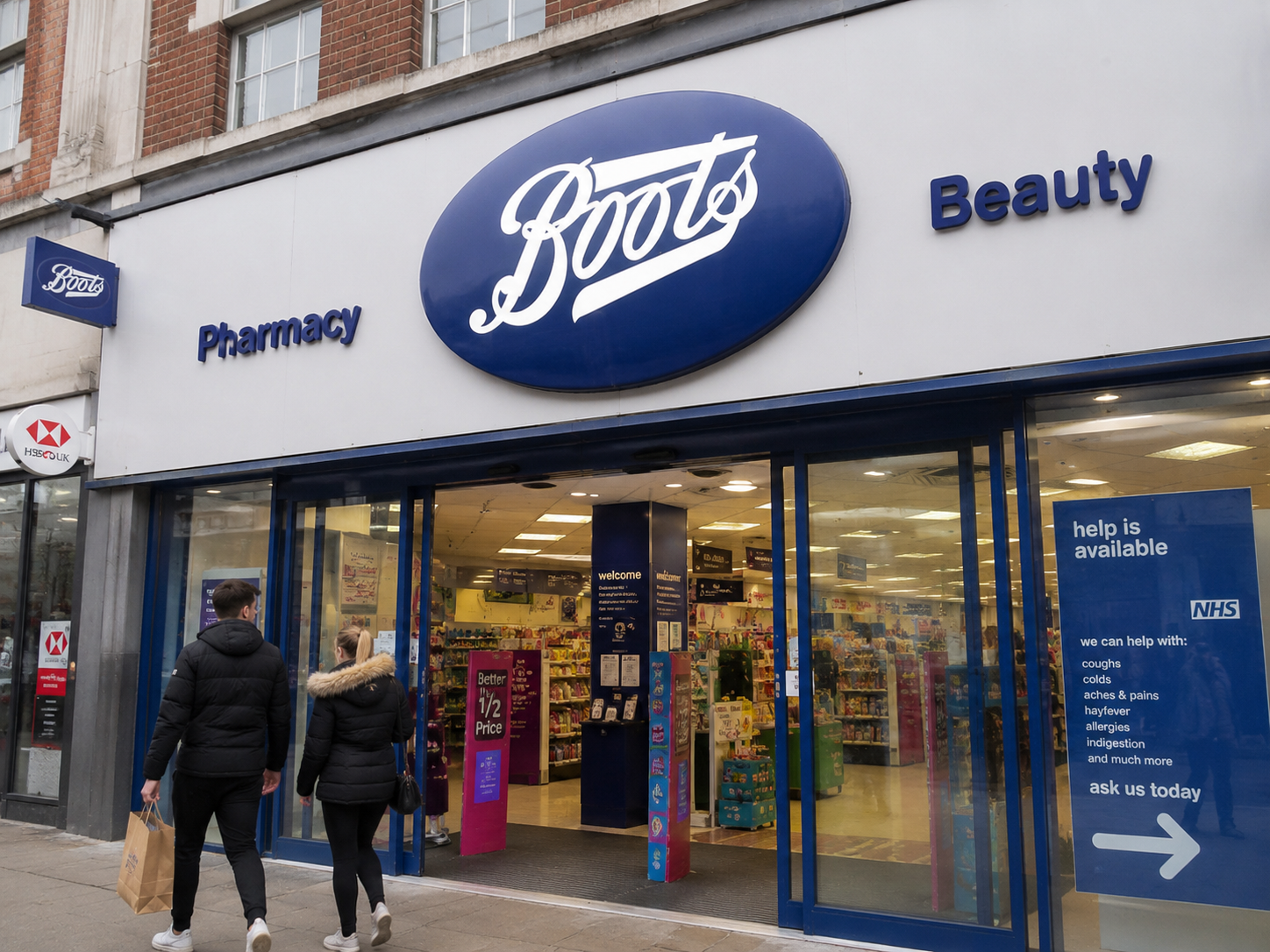
- Boots remains a major U.K. pharmacy and health-and-beauty retailer with about 1,800 stores.
Introduction
Sigma Healthcare has walked away from a possible acquisition of Boots, shutting down talks that could have led to one of the most significant pharmacy retail deals of the year. The decision ends a short-lived but closely watched process that would have given Sigma a major foothold in the U.K. market following its expansion through the Chemist Warehouse merger. Instead, Sigma has chosen to refocus on growth priorities closer to home, while Boots remains caught in another chapter of strategic uncertainty.
Sigma Drops Interest in Buying Boots
Sigma said it had decided to withdraw its interest and end discussions immediately. The company had entered the sale process because Boots appeared to offer a rare opportunity to accelerate its presence in the U.K. market. But after reviewing the opportunity, Sigma concluded that the business no longer fit its priorities.
That decision matters because it signals a more disciplined approach to expansion. Rather than pursue a large international acquisition for scale alone, Sigma appears to be sticking to a tighter capital allocation strategy centered on areas where it sees clearer long-term returns.
Why Sigma Walked Away From the Boots Deal
The clearest explanation from Sigma is strategic fit. The company decided that Boots no longer aligned with its priorities or with the way it wants to deploy capital. That suggests Sigma saw either too much complexity, too much risk, or too little upside in the deal relative to other growth opportunities.
This is especially notable because Sigma had only recently transformed itself into a larger pharmacy and retail platform through its merger with Chemist Warehouse. A Boots acquisition would have pushed that transformation much further and much faster, but it also would have added major operational and financial demands.
Boots Stays Stuck in Ownership Uncertainty
Sigma’s withdrawal leaves Boots in a familiar position: available, high-profile, and still unresolved. The company has remained under strategic review for years, and this latest development extends the uncertainty around who will ultimately own and reshape the business.
That uncertainty matters because Boots is not a minor retail asset. It remains one of the most recognizable names on the British high street, with roughly 1,800 stores and a deep presence in pharmacy, beauty, and health retail. Any change in ownership would have implications not just for investors, but for the wider retail and pharmacy sector.
Boots Has Been Through Years of Restructuring
Boots has already lived through multiple ownership changes and strategic resets. Founded in Nottingham in 1849, the company built itself into a dominant U.K. pharmacy chain before becoming part of a wider wave of consolidation in the 2000s.
A merger with Alliance UniChem in 2006 created a larger European pharmacy group. Private equity firm KKR then acquired the business in 2007. Walgreens later moved in, first taking a 45% stake in 2012 and then assuming full ownership in 2014. More recently, private equity firm Sycamore Partners took control after acquiring Walgreens Boots Alliance and separating Boots from the U.S. business.
Why Boots Remains a Difficult Asset
Boots carries strong brand recognition, but it also sits inside a sector facing structural pressure. Pharmacy retail has become harder to run profitably because of reimbursement challenges, tighter margins in dispensing, and shifting profit pools toward retail health services and private-label beauty.
That makes Boots strategically attractive but operationally demanding. Buyers may see scale, trusted brand value, and retail reach. At the same time, they also face the challenge of modernizing a legacy business in a market that no longer rewards the old pharmacy model as easily as it once did.
What Sigma’s Exit Means for the Market
Sigma’s decision sends a wider message to the retail healthcare market. Even a brand as established as Boots may not justify a mega-deal unless the buyer sees a very clear path to growth, integration, and returns. That raises questions about who else might be willing to step in and under what terms.
For Sigma, the outcome may reassure investors who prefer focus over headline-making expansion. For Boots, it means the waiting continues.
Conclusion
Sigma Healthcare’s decision to abandon talks for Boots ends a potential $10 billion transaction and prolongs uncertainty over the future of one of Britain’s best-known retail brands. Sigma chose discipline over scale, deciding that Boots no longer fit its growth strategy or capital priorities. Boots, meanwhile, remains a valuable but complicated asset in a changing pharmacy market, still searching for a stable long-term path forward.