Key Highlights
- Delta will raise checked bag fees on domestic and select short-haul international routes.
- The first and second checked bags will each cost $10 more.
- A third checked bag will cost $50 more.
- Delta made the move as airlines face higher jet fuel costs.
- Rising fuel prices are pushing carriers to protect revenue and margins.
Introduction
Delta Air Lines will charge travelers more for checked bags as fuel costs put fresh pressure on the airline industry. The carrier plans to increase bag fees on domestic and select short-haul international routes, a move that shows how quickly rising energy prices can reach consumers. As airlines deal with more expensive jet fuel, they are looking for fast ways to protect profitability, and baggage fees offer one of the clearest levers.
Delta Increases Checked Bag Fees
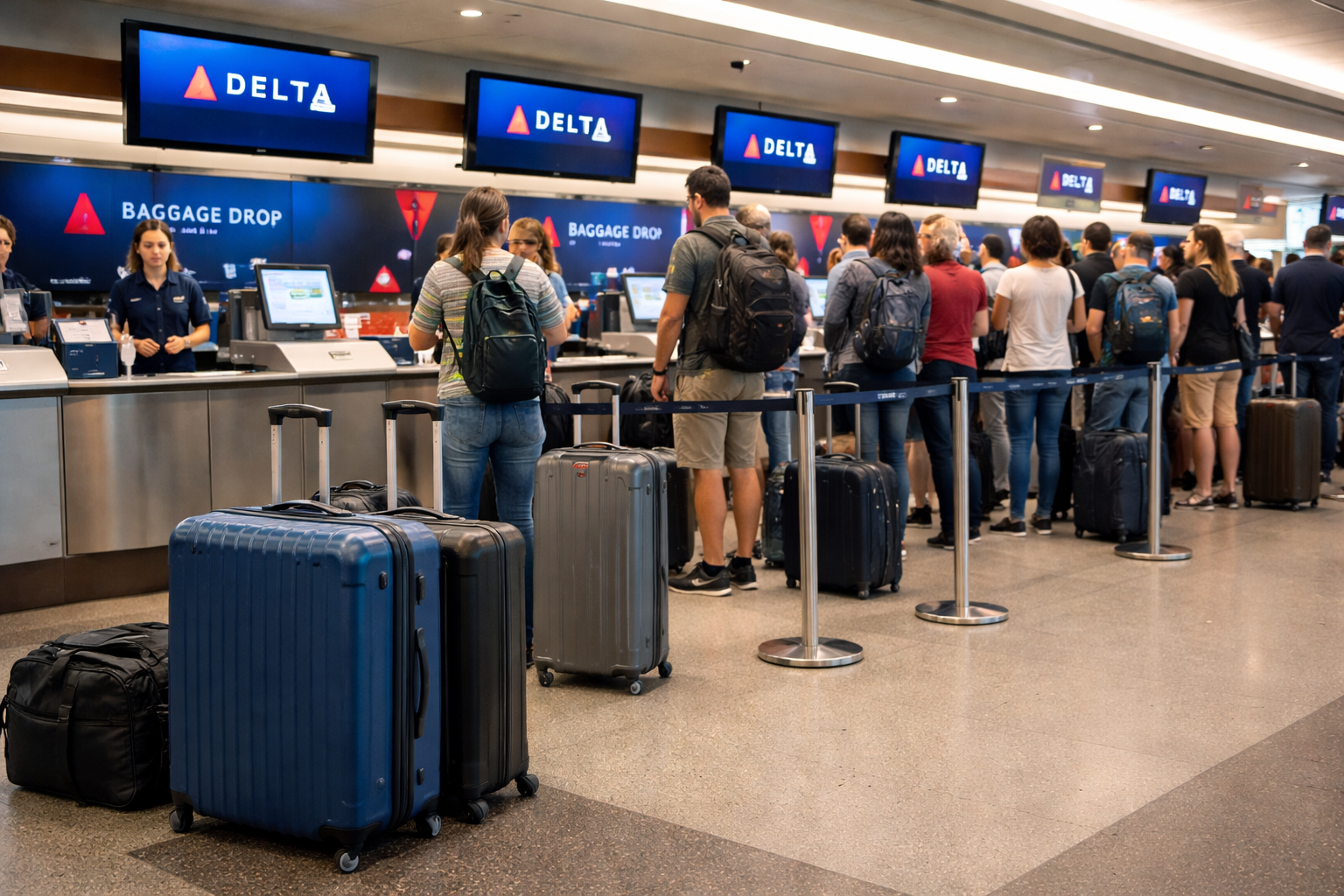
Delta will raise the price of the first and second checked bags by $10 each. The airline will also raise the fee for a third checked bag by $50.
This change will affect travelers on domestic flights as well as select short-haul international routes. For passengers who already face higher travel costs across the board, the increase adds another expense to the flying experience.
Why Delta Raised Bag Fees
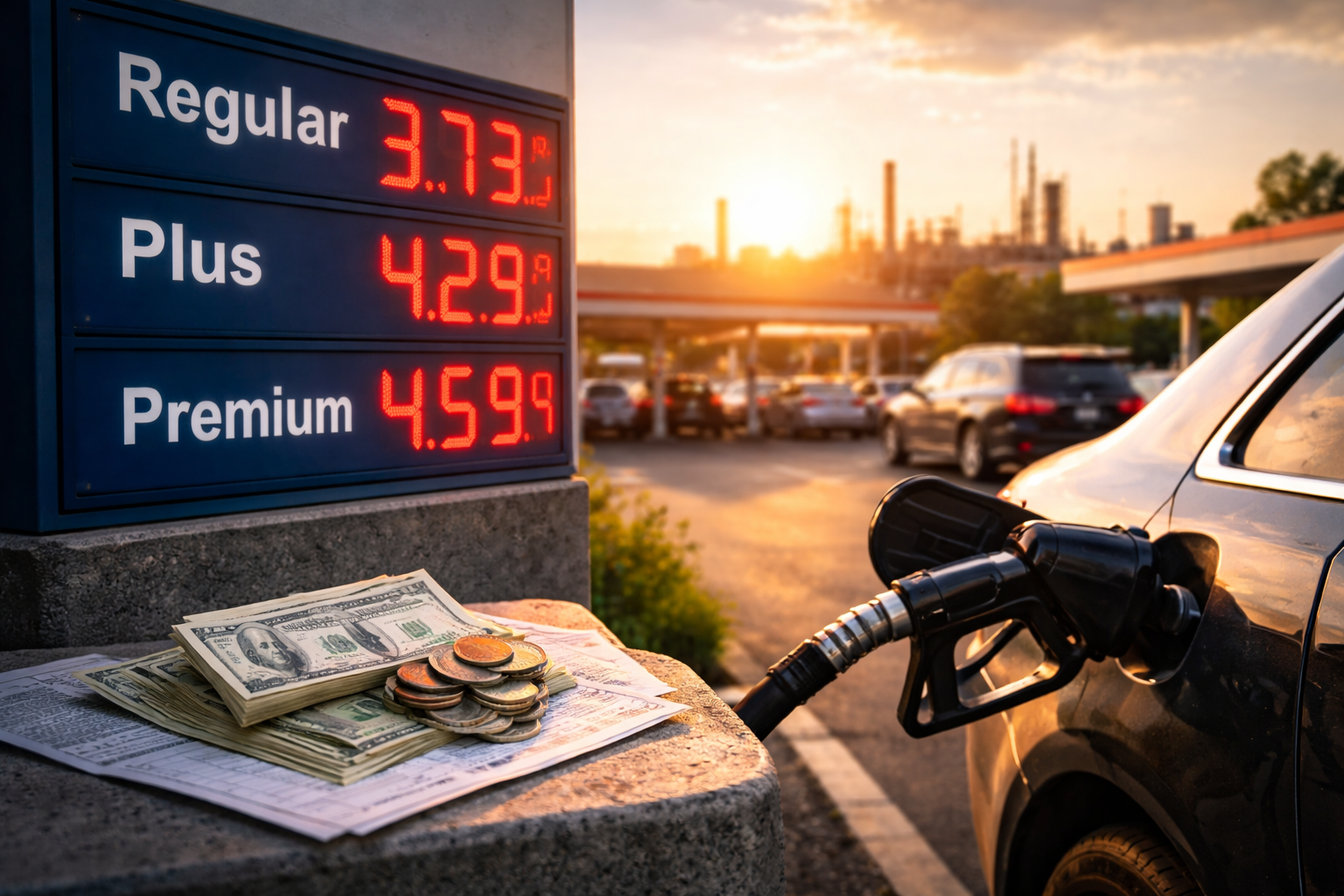
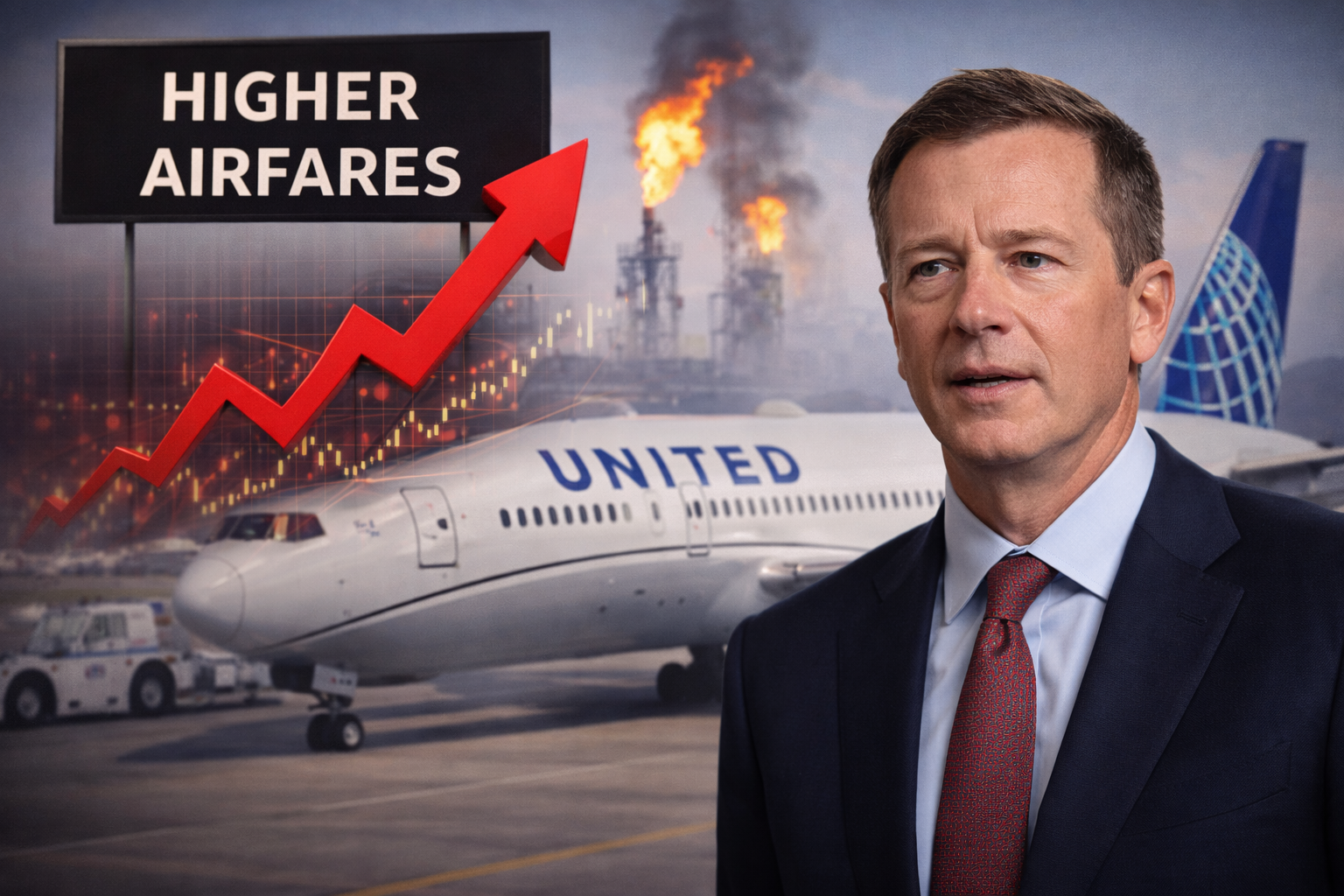
Delta made the change as fuel prices climbed and airlines searched for ways to offset higher operating costs. Jet fuel remains one of the biggest expenses for carriers, so any sustained increase can squeeze margins quickly.
When fuel prices rise, airlines usually respond in a few ways. They adjust fares, trim capacity, or add pressure through ancillary charges such as baggage fees. Delta chose the fee route, which allows the airline to capture more revenue without changing its base ticket prices across the board.
Higher Fuel Costs Are Reshaping Airline Pricing
Airlines operate in a business where cost swings can hit hard and fast. Fuel often drives that volatility. When energy markets tighten, carriers must react quickly because they cannot absorb higher costs forever.
That is why baggage fees matter so much. They give airlines a direct and flexible tool to protect earnings. Instead of raising every fare at once, carriers can push more of the cost burden onto travelers who check bags. This strategy helps preserve pricing flexibility while increasing per-passenger revenue.
What This Means for Travelers
Passengers who check bags will feel the impact immediately. A family traveling together, especially on longer trips, could now pay noticeably more before boarding even begins.
The increase may also push more travelers to rethink how they pack. Some passengers may try to travel with only carry-on luggage, while others may compare airlines more closely before booking. As a result, ancillary fees will likely play a bigger role in consumer choice, especially for price-sensitive travelers.
Delta’s Move Could Influence Other Airlines
Delta rarely acts in isolation on pricing. When a major carrier changes fees, competitors often watch closely. If fuel prices remain elevated, other airlines may decide to follow with fee increases of their own.
That possibility matters because ancillary revenue has become central to the airline business model. Checked bags, seat selection, and other add-on charges now represent a major source of income. Delta’s decision could therefore signal a broader shift across the industry if fuel pressure continues.
Conclusion
Delta’s decision to raise checked bag fees reflects a simple reality in the airline business: when fuel costs rise, passengers often pay more. By increasing charges for first, second, and third checked bags, the airline is moving quickly to defend margins on domestic and short-haul international routes. If energy prices stay high, travelers should expect more pressure on fees across the industry.