Key Highlights
- Recession fears have returned in 2026 as oil prices surge and the US economy shows signs of strain.
- Economists have warned about a recession every year since 2018, yet the US only experienced a brief pandemic-driven downturn in 2020.
- The latest concern centers on high energy prices, trade uncertainty, inflation pressure, and a weakening job market.
- Analysts have offered several explanations for why the economy has avoided a full recession, including the “rolling recession,” “K-shaped,” and “front-loading” theories.
- EY-Parthenon chief economist Greg Daco recently raised his recession odds to 40%, especially if the Middle East conflict worsens.
Introduction
Recession fears have returned to the center of the US economic conversation in 2026. Rising oil prices, persistent uncertainty around trade and immigration policy, and signs of weakness in the labor market have led many economists to warn that the economy may finally tip into contraction. However, the same basic pattern has played out again and again over the past eight years: experts sound the alarm, markets grow nervous, and the recession still does not arrive. That tension now defines the 2026 outlook. The risks look real, yet the economy has repeatedly shown an ability to absorb shocks without falling into a broad downturn.
Why Recession Fears Are Rising Again in 2026
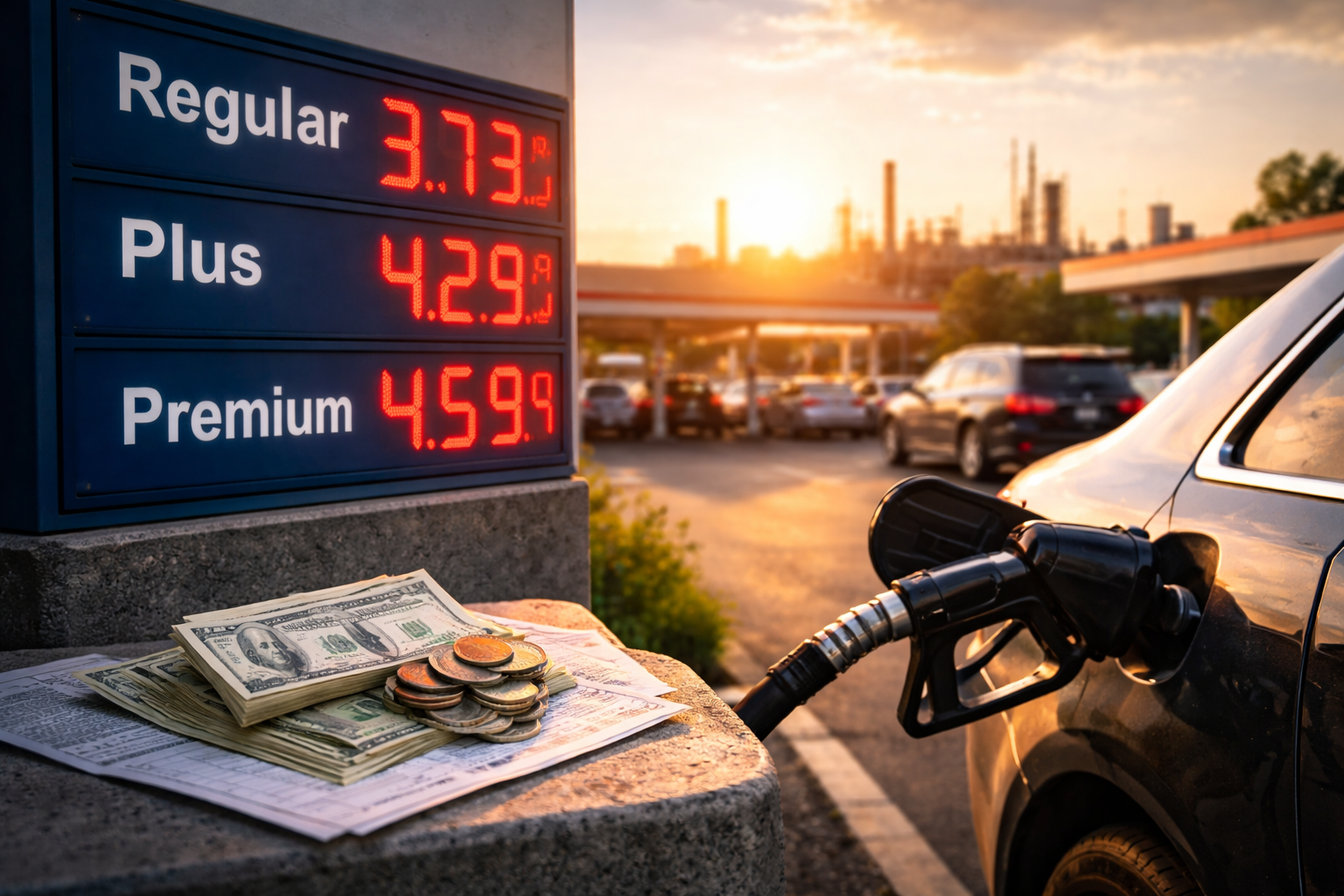
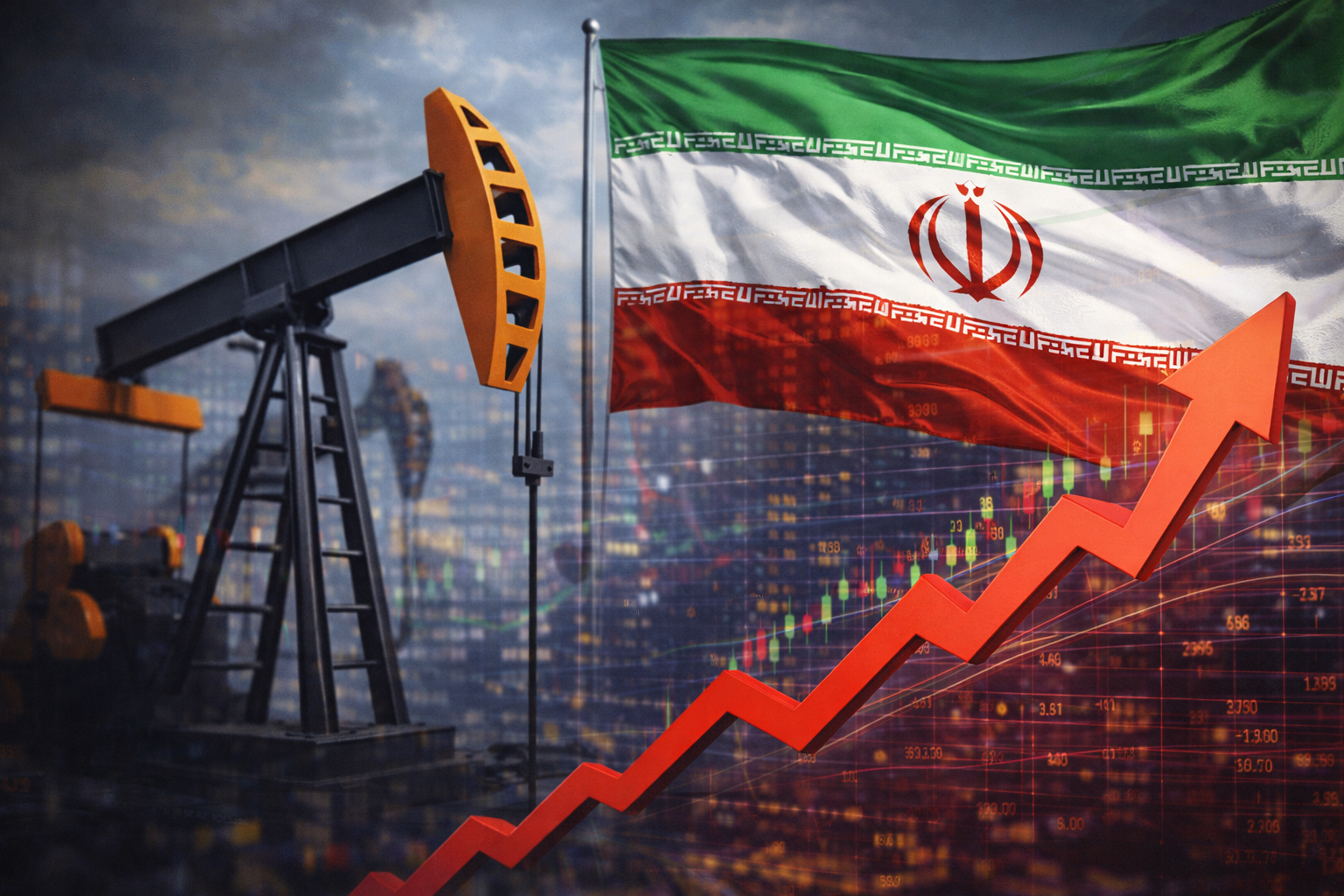
The current wave of recession concern comes from a mix of economic and geopolitical pressures. The source text says the US economy is already under strain, and that the latest oil price shock could push it over the edge. It also points to President Donald Trump’s economic agenda, especially tariffs and immigration policy, as sources of uncertainty that have clouded the outlook for businesses and consumers. On top of that, high energy prices have added a fresh layer of risk because oil spikes have preceded eight of the past nine recessions.
This combination matters because inflation fears, slower job growth, and rising fuel costs can all weaken confidence at the same time. As each week passes, the report notes, the higher costs and broader risks can spread deeper through the economy. That is why recession talk now feels more urgent than a routine market scare.
Why Economists Keep Getting Recession Calls Wrong
One of the most striking points in the source material is how often recession warnings have failed. Economists have predicted or warned about a downturn every year since 2018, but they were only partially right once, during the brief and highly unusual pandemic recession in 2020. The US avoided recession in 2018, 2019, 2021, 2022, 2023, 2024, and 2025 despite repeated fears tied to trade wars, inflation, rate hikes, tariffs, and slowing consumer demand.
That history makes current warnings harder to interpret. Analysts clearly see reasons for concern, but recent experience shows that recession forecasting remains deeply unreliable. In other words, the economy has developed a pattern of looking fragile without fully breaking.
A Quick Look at Eight Years of Recession Warnings
The report lays out a year-by-year record of recession anxiety. In 2018, S&P Global raised recession risk and the yield curve inverted. In 2019, Trump’s first trade war sparked global fears and many chief financial officers expected a downturn. In 2021, inflation and labor-market dislocations raised fresh concerns. In 2022, high inflation, the Russia-Ukraine war, and rapid Fed tightening led many economists to see a recession as almost inevitable. In 2023 and 2024, forecasters again warned that a downturn was near. In 2025, tariff turmoil, a softer job market, and slower consumer spending revived the same concern. Now, in 2026, oil prices and geopolitical instability have brought recession fears back once more.
This timeline shows a larger truth: recession fears have become almost constant background noise in the post-2018 economy. Yet the economy has continued to expand unevenly rather than collapse outright.
Why the US Economy Has Not Fallen Into Recession
The source outlines several theories for why the US economy seems to stay on the edge of recession without slipping into one. The first is the rolling recession theory. Under this view, some sectors contract while others expand, so the economy never falls into a broad synchronized downturn. The text gives several examples: tech weakened in 2022 while manufacturing grew, manufacturing struggled in 2024 while semiconductors expanded, and energy, luxury, and the public sector weakened last year while AI surged. This year, energy has rebounded and may help offset weakness in finance, retail, and some parts of AI investment.
The second is the K-shaped economy theory. Here, wealthier Americans continue to spend because they own homes and financial assets, while lower-income households struggle with affordability. Spending from the top half of the income ladder helps keep the broader economy growing even when many households feel financial stress.
The third is the front-loading theory. The report argues that Trump has often used tariff threats as negotiating tools without always implementing them right away. That pattern gives consumers and businesses time to rush purchases and stockpile goods, which supports spending in the short term. When the threatened measures do not fully arrive, spending stays higher than expected.
Why Oil Prices Matter So Much to the 2026 Outlook
Oil now sits at the center of the latest recession debate. The report frames the current energy shock as especially dangerous because the economy already looks fragile. Unlike some earlier scare cycles, this one arrives during a period of weakening job growth, rising uncertainty, and persistent inflation concerns. That makes higher fuel and transport costs more threatening than they might appear in isolation.
At the same time, the article remains careful. It does not claim that a recession has already begun. Instead, it stresses that timing one remains extraordinarily difficult. That distinction matters because oil over $100 has historically raised recession risk, yet history also shows that even major energy shocks do not guarantee an immediate downturn.
So, Is a Recession Guaranteed in 2026?
The source ultimately argues that a recession is not guaranteed, even though the risks have clearly increased. Greg Daco of EY-Parthenon raised his recession odds to 40%, and said that figure could rise quickly if the Middle East conflict grows more severe or lasts longer. Heather Long of Navy Federal Credit Union also acknowledged “real risk of recession,” while warning that forecasters do not want to become the economist who “called wolf.”
That captures the current moment well. The economy faces genuine threats, and those threats look more serious because they come after years of false alarms. However, the repeated failure of prior recession calls means that caution cuts both ways. Economists do not want to dismiss real danger, but they also know that the US economy has repeatedly found ways to keep growing through uneven, sector-by-sector stress.
Conclusion
Recession fears in 2026 look credible because they rest on a serious mix of oil shocks, policy uncertainty, inflation pressure, and labor-market weakness. Still, the past eight years show that the US economy has developed a remarkable ability to avoid the full recession that many forecasters keep expecting. Sector-level downturns, strong spending by wealthier households, and preemptive buying ahead of tariffs have all helped sustain growth. As a result, the recession debate remains open. The danger is real, but the timing remains uncertain, and history suggests that certainty itself is exactly what economists should avoid.