Key Highlights
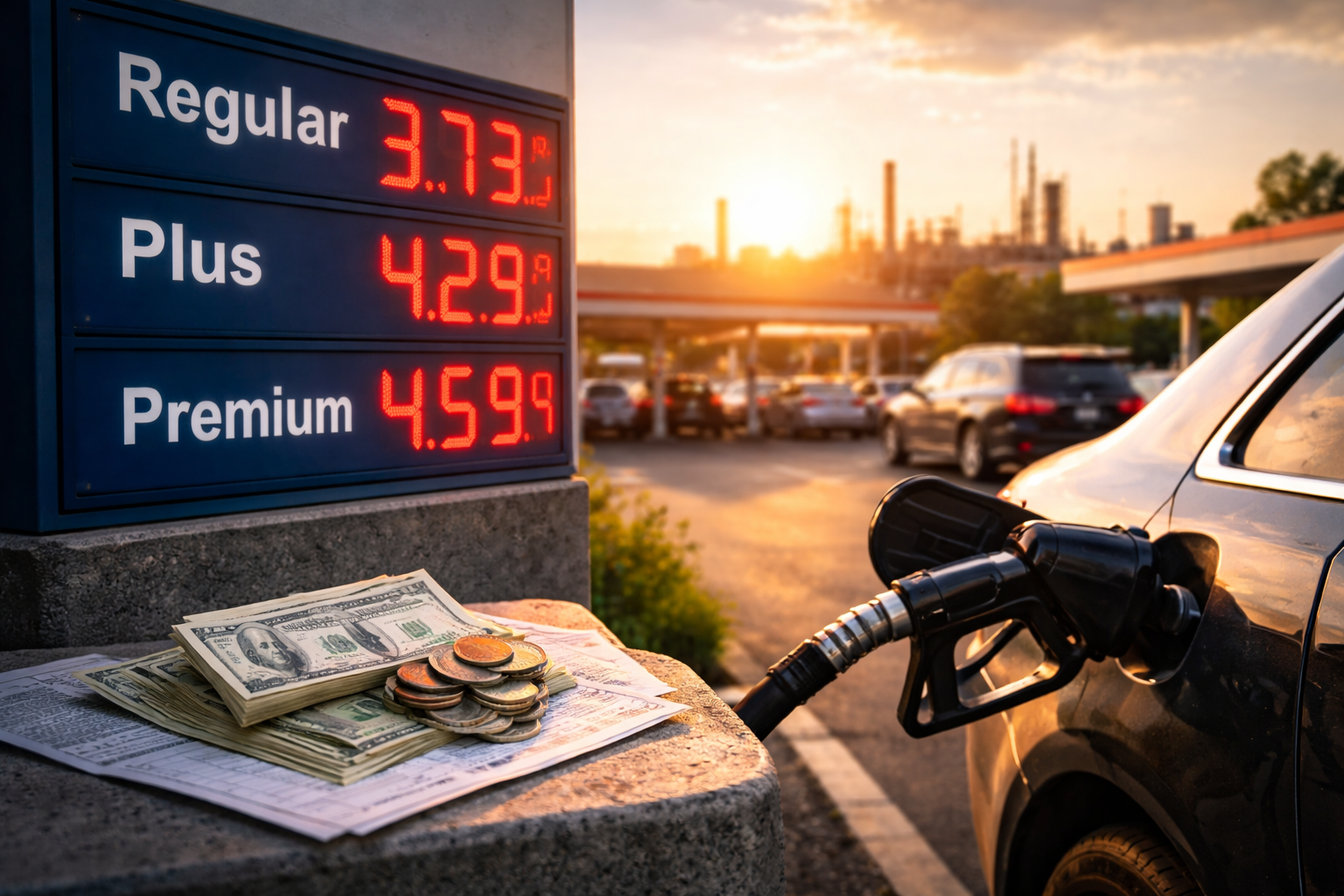
- U.S. gasoline prices rose above $3.75 a gallon for the first time since October 2023.
- GasBuddy data showed the national average reached $3.83 a gallon on March 17, 2026.
- The increase followed supply disruptions linked to the Middle East war.
- Iran’s attacks on shipping in the Strait of Hormuz disrupted exports from Gulf producers.
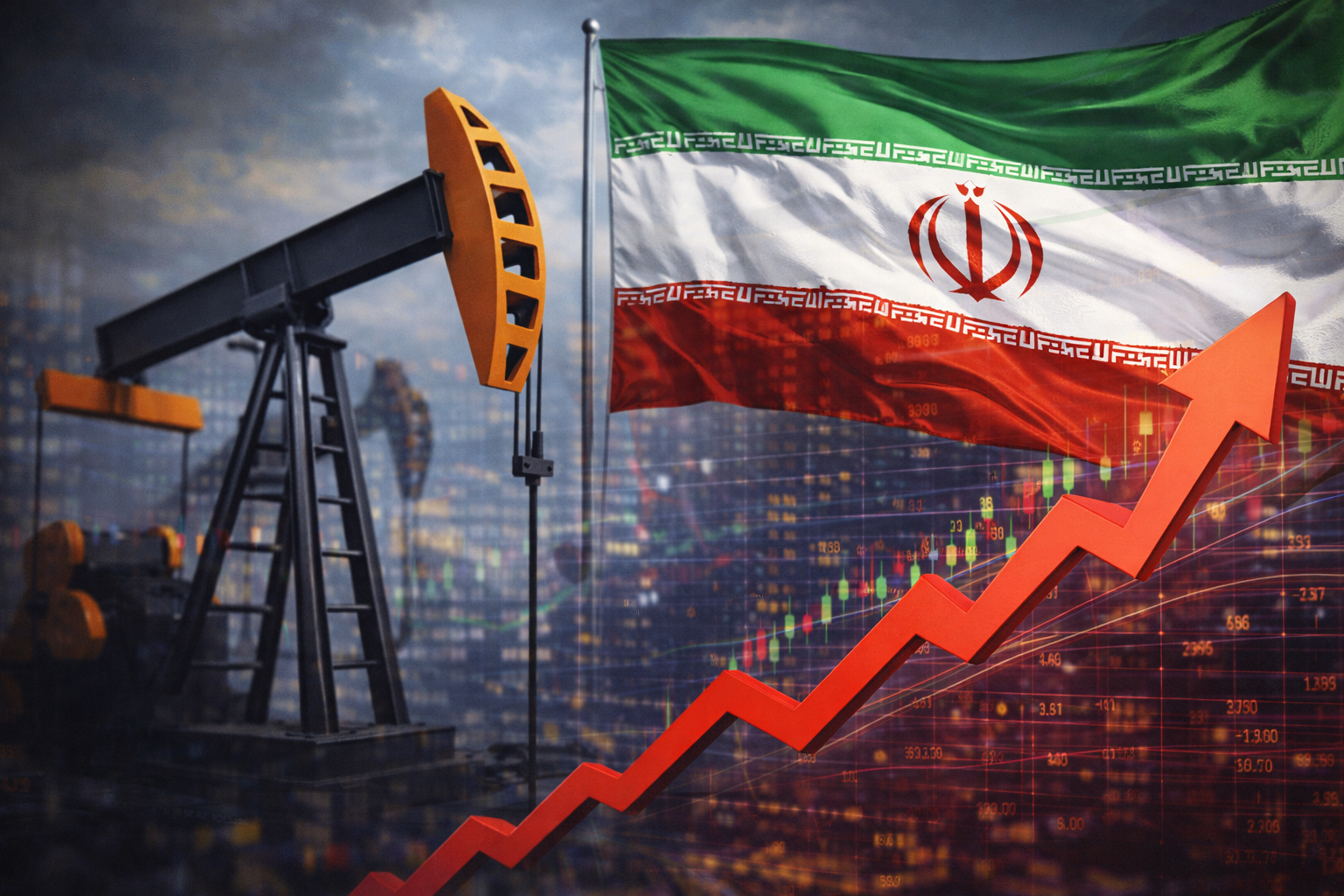
- U.S. West Texas Intermediate crude jumped from $67.02 to $96.16 a barrel since late February.
- Higher fuel prices are increasing pressure on consumers and adding political risks ahead of the midterm elections.
Introduction
U.S. gasoline prices have surged to their highest level in more than two years as the Middle East war continues to disrupt global energy markets. The national average price for gasoline moved past $3.75 a gallon on March 17, 2026, according to GasBuddy data. As a result, American consumers now face higher transportation costs just as oil prices continue to climb. Moreover, the sharp increase has added a political dimension because voters are reacting to rising energy bills ahead of the November midterm elections.
U.S. Gasoline Prices Climb Above $3.75 a Gallon
The national average price for gasoline crossed $3.75 a gallon for the first time since October 2023. GasBuddy live data later showed the national average reaching $3.83 a gallon as of 4:55 p.m. ET on March 17.
This jump marks a steep increase in a short period. Since the end of February, when the United States and Israel attacked Iran, average U.S. gasoline prices have risen by about 84 cents a gallon. Therefore, the rise has quickly become one of the clearest domestic economic effects of the conflict.
Middle East War Tightens Global Fuel Supply
The latest spike in gasoline prices reflects growing disruption across global oil and fuel markets. The war in the Middle East has affected supplies from one of the world’s most important oil-producing regions. In particular, Iran’s attacks on shipping in the Strait of Hormuz have slowed exports from Gulf producers and intensified concerns about supply reliability.
Because oil markets respond quickly to geopolitical threats, the impact has spread far beyond the region itself. Even though the United States holds relatively healthy fuel inventories, global supply fears have still driven retail gasoline prices sharply higher.
Oil Prices Surge as Conflict Escalates
Crude oil prices have also risen dramatically during the same period. U.S. West Texas Intermediate crude futures climbed from $67.02 a barrel to $96.16 a barrel since late February.
That increase matters because crude oil remains the largest component in retail gasoline pricing. Consequently, when crude prices rise this quickly, drivers usually feel the impact at the pump soon after. In this case, escalating tensions in the Middle East pushed energy markets higher and accelerated the rise in fuel costs across the United States.
U.S. Fuel Inventories Offer Some Cushion
Despite the surge in gasoline prices, U.S. fuel inventories remain relatively strong. At the end of last week, the country held about 28.5 days of motor fuel supply, which marked the highest level for this time of year since 2021.
However, strong inventories have not stopped pump prices from climbing. Global market pressure has outweighed domestic stock levels, especially as traders continue to react to shipping disruptions and fears of prolonged instability in the region. Therefore, the market has remained tight even with adequate U.S. supply on hand.
Rising Gas Prices Add Pressure on Consumers and Politics
Higher gasoline prices are putting direct pressure on household budgets across the country. Consumers now face rising transportation costs, which could weaken confidence and increase frustration in the coming months.
At the same time, the issue has become politically sensitive. According to the Reuters report, rising pump prices have hurt public sentiment around President Donald Trump’s decision to join Israel in attacking Iran. That reaction could matter even more because the November midterm elections will determine control of Congress. Trump won reelection in 2024 after campaigning on lower energy costs, so the current rise in fuel prices now creates a difficult challenge for his administration.
Why Gas Prices Are Rising So Fast
Several factors have combined to push gasoline prices higher. First, the war has disrupted a vital energy-export corridor in the Strait of Hormuz. Second, oil prices have jumped sharply as traders price in the risk of further supply losses. Third, gasoline prices tend to move quickly when global crude markets tighten, even if domestic inventories remain solid.
As a result, the increase at the pump has reflected both real supply disruption and broader market anxiety. That combination often creates faster and sharper price moves than inventory data alone would suggest.
Conclusion
U.S. gasoline prices have moved above $3.75 a gallon because the Middle East war continues to disrupt global energy supply and drive crude oil prices higher. Although the United States still holds relatively strong motor fuel inventories, that cushion has not prevented a sharp rise in retail prices. Meanwhile, consumers are feeling the strain, and political pressure is building ahead of the 2026 midterm elections. If conflict in the region continues and shipping disruptions worsen, gasoline prices could remain elevated in the weeks ahead.