Key Highlights
- Trump delayed planned 50% tariffs on Canadian imports for three days.
- The tariffs would affect nearly $20 billion worth of goods.
- Washington and Ottawa say they have made substantial progress toward a trade deal.
- Auto tariffs could reportedly fall from 25% to 15%.
- The U.S. wants greater access to Canada’s dairy and agricultural markets.
- Canada is seeking tariff relief for autos, steel, aluminum and other key industries.
- A final agreement could also revive discussion around the Keystone XL pipeline.
Introduction
The three-day delay came shortly before the duties were scheduled to take effect and gives negotiators additional time to finalize an agreement covering autos, agriculture, manufacturing, digital trade and other sensitive areas.
The pause offers immediate relief to businesses on both sides of the border, but major details remain unresolved.
Trump Delays Canada Tariffs for Three Days
Trump announced that the planned 50% tariffs would be suspended for three days while both governments complete the documentation needed for a trade agreement.
The duties were expected to affect nearly $20 billion in Canadian imports.
The short extension suggests that negotiations have advanced significantly, but the fact that senior trade officials continued meeting afterward shows that important issues remain open.
Trump described the emerging agreement as beneficial to both countries and indicated that Canada would make concessions in areas including agriculture and manufacturing.
U.S. and Canada Push Toward Final Trade Deal
Canadian Prime Minister Mark Carney said substantial progress had been made while acknowledging that negotiators still had important work to complete.
Officials from both countries have been engaged in intensive talks since July, when Washington threatened another major tariff increase.
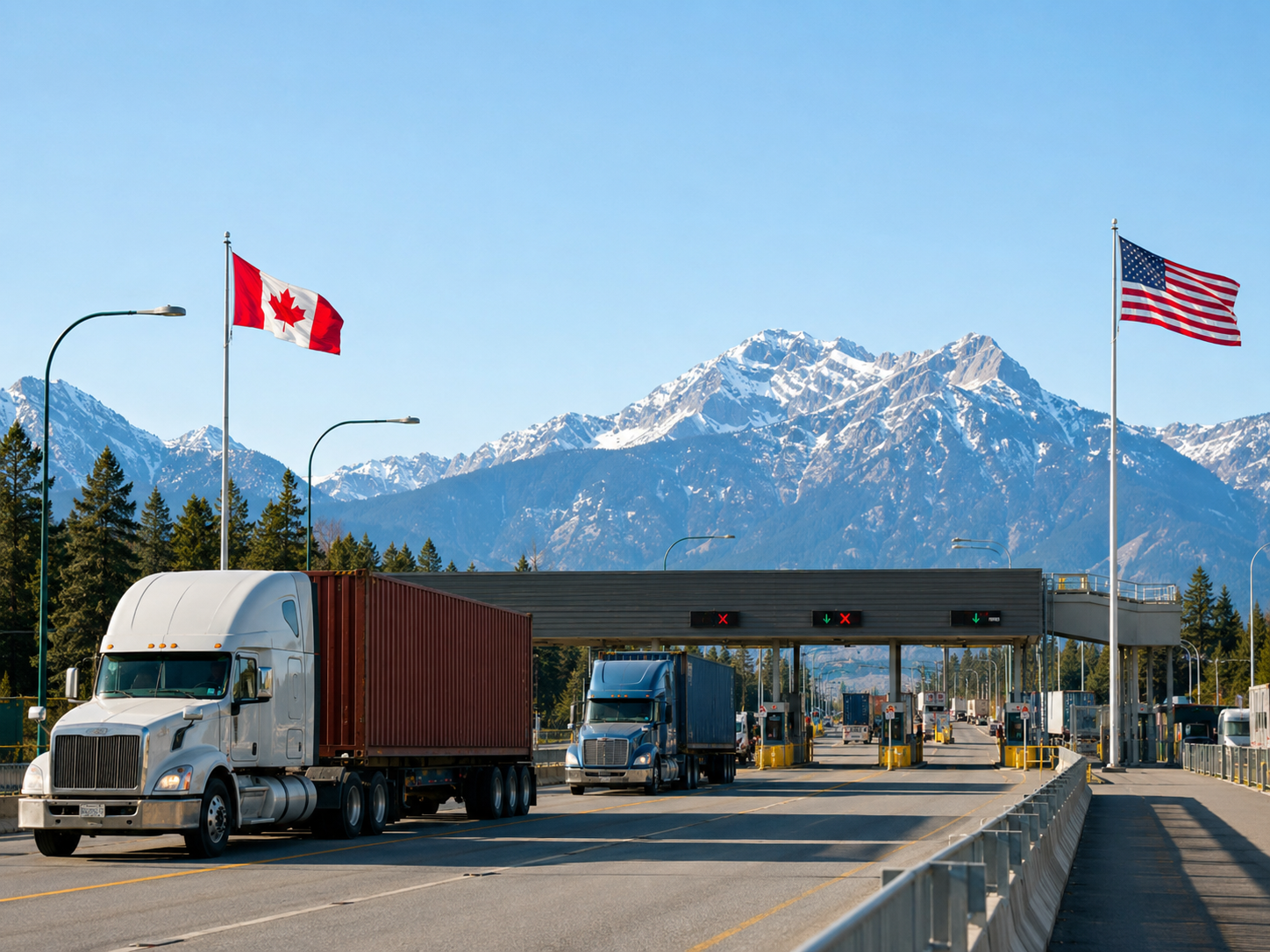
The dispute has become one of the most important economic issues between the two neighboring countries because their supply chains are deeply integrated.
Automotive production, agriculture, energy, construction materials and consumer goods frequently cross the border multiple times before reaching customers.
Auto Tariffs Remain a Major Issue
Automobiles remain one of the most difficult areas in the negotiations.
The United States currently applies a 25% tariff to some Canadian auto imports. Negotiators have reportedly discussed reducing that rate to 15%.
However, the two countries have struggled to agree on which vehicles would qualify.
Washington reportedly wants tariff reductions limited to vehicles containing a high proportion of U.S.-manufactured components.
That requirement could become especially important for North American automakers whose supply chains stretch across the United States, Canada and Mexico.
Canadian Auto Industry Seeks Relief
Canada has pushed for reductions in U.S. tariffs affecting automobiles and other major exports.
Ontario is particularly exposed because of its large automotive manufacturing sector.
The province hosts assembly plants and suppliers that are deeply integrated with U.S. factories, meaning tariffs can raise costs throughout the supply chain rather than affecting only Canadian companies.
A reduction in auto duties could therefore provide significant relief for manufacturers on both sides of the border.
Dairy Market Access Is Another Sticking Point
The United States is also pressing Canada to expand access to its tightly controlled dairy market.
Canada uses a supply-management system that limits production and imports through quotas and tariffs.
American producers have long argued that the system restricts their ability to sell products such as cheese and milk in Canada.
Washington is seeking changes that would allow greater access for U.S. agricultural producers.
For Canada, however, dairy policy remains politically sensitive and any major concessions could face resistance from domestic farmers.
Canada’s Ban on U.S. Liquor Could Be Lifted
Another issue involves restrictions on American alcohol.
Several Canadian provinces removed U.S. liquor from government-controlled retail systems as retaliation for earlier American tariffs.
Washington wants those restrictions lifted as part of a broader agreement.
However, Prime Minister Carney cannot make that decision alone because provincial governments control most liquor sales.
Ontario Premier Doug Ford has indicated that he could support restoring American alcohol products if the broader trade agreement is fair to Canada.
Keystone XL Pipeline Returns to Trade Talks
The possible revival of the Keystone XL pipeline has also emerged in discussions.
The project was designed to transport approximately 830,000 barrels of oil per day from Alberta to the United States.
Previous U.S. administrations blocked the project amid environmental and regulatory concerns.
Trump has repeatedly supported reviving Keystone XL and suggested that a final U.S.-Canada trade agreement could help bring the project back.
Any revival would likely reopen debates over energy security, environmental impacts and indigenous rights.
Tariffs Would Affect a Wide Range of Canadian Goods
The threatened 50% tariffs were expected to cover multiple Canadian exports.
Products potentially affected included wine, dairy products, cement, clothing and hockey equipment.
Those duties would have come on top of existing American tariffs affecting Canadian steel, aluminum, autos and lumber.
The accumulation of tariffs has increased pressure on Canadian businesses while raising concerns about higher costs for American importers and consumers.
Businesses Warn of Higher Costs
Companies on both sides of the border have urged governments to avoid further escalation.
Tariffs can increase costs for manufacturers that depend on imported materials and components.
Businesses may respond by absorbing those expenses, reducing investment or passing higher prices on to consumers.
Because the U.S. and Canadian economies are highly integrated, tariffs imposed on one country can quickly create costs in the other.
Industries such as automobiles are especially vulnerable because parts can cross the border several times during production.
Millions of U.S. Jobs Depend on Canadian Trade
The economic stakes extend well beyond individual industries.
Business groups have warned that millions of American jobs depend on trade conducted under the United States-Mexico-Canada Agreement.
Canada is one of the largest export markets for U.S. companies and a critical supplier of energy, metals, agricultural goods and manufacturing inputs.
A sustained tariff battle could therefore disrupt investment and employment across both countries.
Digital Trade and Economic Security Enter the Agreement
The emerging agreement reportedly goes beyond traditional tariff reductions.
U.S. officials have indicated that the framework could include digital trade alignment and economic security commitments.
These provisions could become increasingly important as trade policy expands into areas such as data, technology, cybersecurity and strategic supply chains.
A broader deal could therefore reshape elements of the bilateral economic relationship beyond physical goods.
Why the Three-Day Pause Matters
The temporary tariff pause gives negotiators valuable time while reducing the immediate risk of a new trade shock.
Markets and businesses generally prefer negotiated solutions because sudden tariff changes make it difficult to plan investment, inventory and pricing.
The pause also suggests that both sides believe a final agreement is achievable.
However, three days represents a very short window, and unresolved disputes could still derail the negotiations.
What Happens if Negotiations Fail?
If the countries fail to finalize an agreement, the 50% tariffs could still take effect.
That could trigger additional Canadian retaliation and revive uncertainty across North American markets.
Canadian businesses would face higher barriers when exporting to the United States, while American companies could encounter increased costs and reduced access to the Canadian market.
A breakdown in negotiations could also place additional pressure on the USMCA framework.
What a Deal Could Mean for North American Trade
A successful agreement could significantly reduce uncertainty between the United States and Canada.
Lower automotive tariffs would help manufacturers, while agricultural concessions could increase U.S. access to Canadian markets.
Resolving retaliatory measures could also restore trade in products such as American liquor.
More broadly, a deal could reassure companies that North America’s integrated supply chains will remain commercially viable despite recent trade tensions.
Conclusion
Donald Trump’s decision to postpone new 50% tariffs on Canadian goods for three days signals that the United States and Canada may be approaching a major trade agreement.
The negotiations cover some of the most sensitive areas in the bilateral relationship, including automobiles, agriculture, dairy, manufacturing, digital trade and energy.
Businesses have welcomed the temporary pause because another round of tariffs could raise costs and disrupt supply chains across both economies.
A final agreement would ease months of uncertainty, but negotiators still need to resolve important details before the temporary reprieve expires.