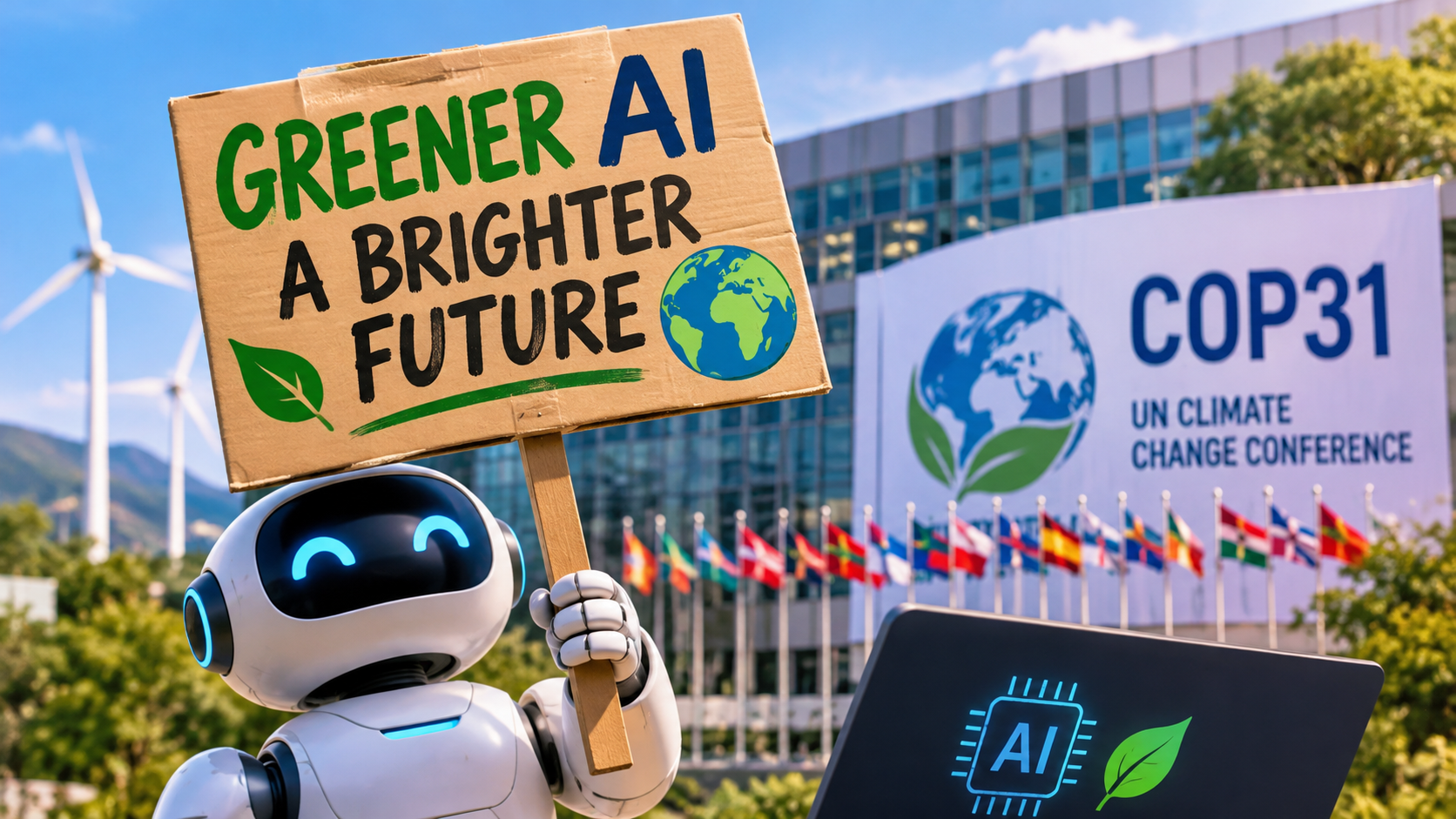
China’s Alibaba was the only major technology company to endorse a United Nations-backed pledge to reduce artificial intelligence’s environmental impact at the COP31 climate summit in Turkey. Major US technology companies, including Meta, Microsoft, Google and Nvidia, did not sign the commitment.
Turkey launched the Antalya AI Pledge on Monday, November 16, during the UN climate talks in Antalya. The voluntary initiative calls on governments and businesses to power artificial intelligence with cleaner energy, improve infrastructure efficiency and measure emissions linked to AI systems.
The pledge also encourages signatories to expand access to AI in developing countries. Its launch attracted 90 endorsements from governments, companies, research institutions and civil society organizations. However, only nine countries signed, and Alibaba was the sole major technology company among the initial supporters.
Major US technology companies stay away
Meta, Microsoft and Google, which operate extensive data center networks and digital infrastructure, did not respond to Reuters’ requests for comment. Chipmaker Nvidia also did not respond.
Amazon declined to comment on the pledge. However, the company said it aims to reduce the carbon intensity of its electricity consumption by 65% by 2030, compared with a 2019 baseline. It also reiterated its commitment to reach net-zero carbon emissions by 2040.
The absence of major US technology companies highlights the challenge of securing industry support for voluntary climate commitments as demand for artificial intelligence drives investment in energy-intensive data centers.
Data center emissions intensify climate concerns
The pledge comes as the environmental costs of AI infrastructure draw greater scrutiny. A report released on Monday found that more than 400 hyperscale data centers in the United States produce roughly as much carbon dioxide as Denmark.
The study, led by Harvard University researchers and published in Nature Sustainability, examined 403 US hyperscale data centers. It estimated that these facilities emitted 25.7 million metric tons of carbon dioxide between May 2024 and April 2025.
The findings underscore the growing pressure on technology companies to address the energy demands of AI. Data centers require large amounts of electricity to run servers and cooling systems, while their rapid expansion has raised concerns about emissions and local environmental impacts.
South Korea joins the pledge as US skips climate talks
South Korea, a major user of artificial intelligence, was among the nine countries that endorsed the initiative. The other government signatories represented smaller nations.
The United States did not participate in the UN climate negotiations for a second consecutive year. President Donald Trump withdrew the country from the UN climate process and has backed both the expansion of artificial intelligence and continued fossil fuel use.
At the same time, technology companies face pressure from some shareholders over the environmental impact of data centers and opposition to new facilities in communities where they are built.
The International Telecommunication Union and the COP31 presidency said they would continue seeking endorsements for the Antalya AI Pledge. The initiative aims to encourage cleaner energy use, more efficient infrastructure and greater transparency around AI-related emissions.